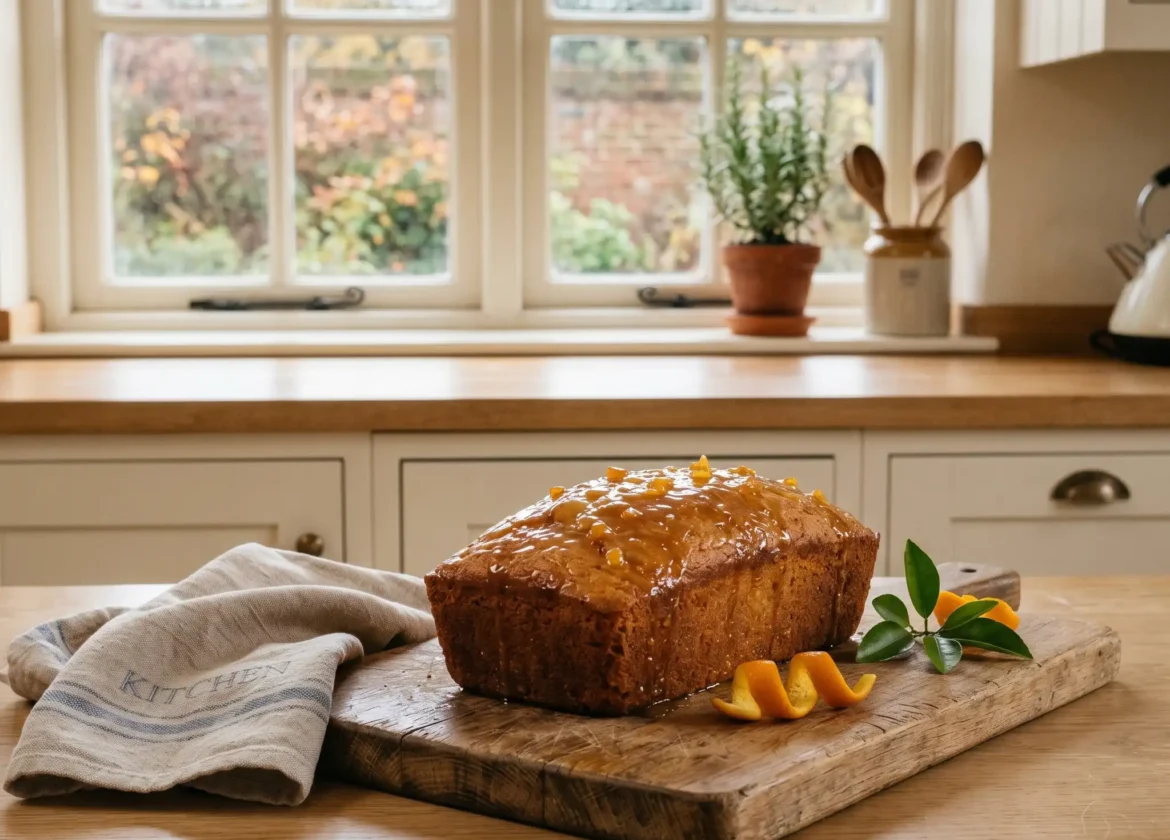
This Mary Berry Marmalade Loaf Cake Recipe is one of those traditional British bakes that never goes out of style. The loaf cake is sticky, citrusy, and packed with chunky marmalade and fresh orange zest that give it a bold, tangy sweetness from the very first bite. Whether you are baking it for afternoon tea, breakfast slices, weekend baking, or festive occasions, this cake fits every moment perfectly. It is ready in just 1 hour 15 minutes, making it a go-to choice for anyone who wants something flavour-packed without spending hours in the kitchen.
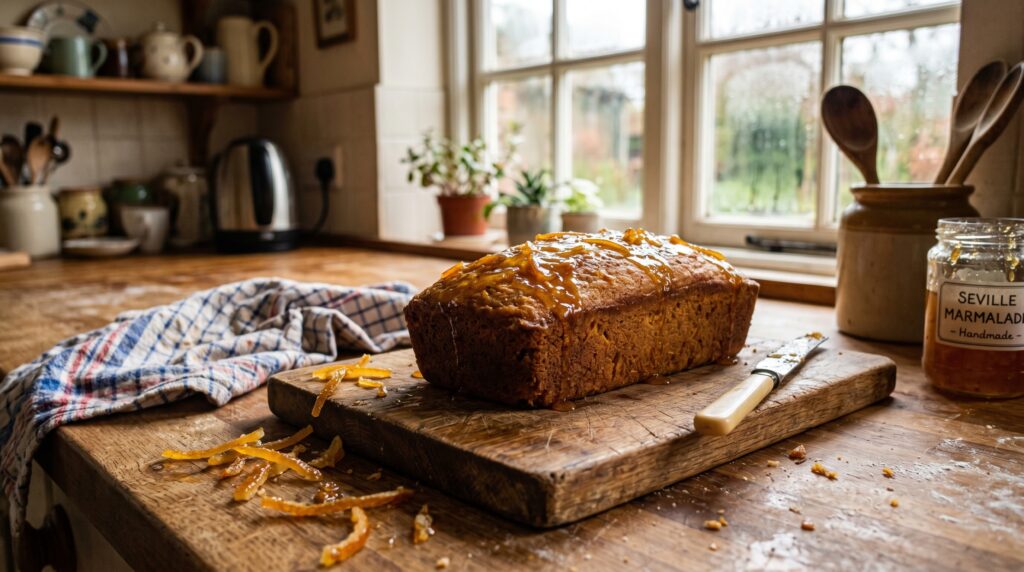
What makes this classic British loaf so special is the way sweet orange marmalade is folded directly into the batter and then brushed as a glossy glaze on top, creating a golden colour that looks as good as it tastes. The combination of soft butter and citrus-infused ingredients produces a tender crumb that truly melts in your mouth with every slice. The zesty notes bring a refreshing brightness, while the richness of the loaf keeps it deeply comforting. With such simple ingredients and a reliable method, it is no surprise this recipe keeps finding its way back into regular rotation in home kitchens across Britain.
Ingredients / Essential Ingredients to Make Mary Berry Marmalade Cake
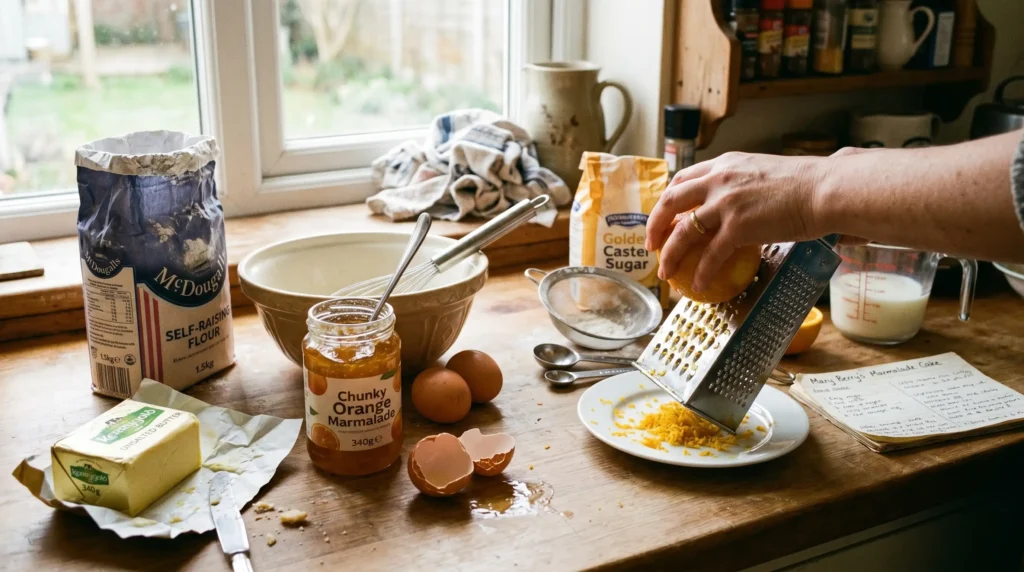
For the Cake:
| Ingredient | Quantity |
| Self-raising flour | 8 oz (225g) |
| Baking powder | 1 level teaspoon |
| Baking spread or softened butter | 6 oz (175g) |
| Caster sugar | 6 oz (175g) |
| Large eggs | 3 |
| Chunky orange marmalade | 2 tablespoons |
| Finely grated zest | 1 orange |
| Milk | 2 tablespoons |
For the Topping:
| Ingredient | Quantity |
| Orange marmalade | 3 tablespoons |
| Boiling water (to loosen) | 1 tablespoon |
Equipment Needed:
| Equipment | Purpose |
| 900g / 2lb loaf tin | Right shape and rise |
| Large mixing bowl | Combining ingredients |
| Electric whisk or hand whisk | Beating the batter |
| Small saucepan | Warming the glaze |
| Spatula | Smoothing the batter |
| Baking parchment | Lining the tin |
| Cooling rack | Resting the finished loaf |
| 1 tsp measure | Accurate quantities |
How To Make / Step-by-Step Instructions to Prepare Mary Berry Marmalade Cake
Preheat your oven to 320°F / 160°C / 140°C Fan / Gas Mark 3 for a fan oven, or 180°C for a conventional oven. Grease your 2lb (900g) loaf tin and line the base and sides with baking parchment to prevent sticking. In a large mixing bowl, add the self-raising flour, baking powder, baking spread or soft butter, caster sugar, eggs, milk, marmalade, and orange zest. Using an electric mixer, beat everything together for 1-2 minutes until the batter is well-blended, smooth, pale, and lump-free, with the marmalade peel evenly distributed throughout.
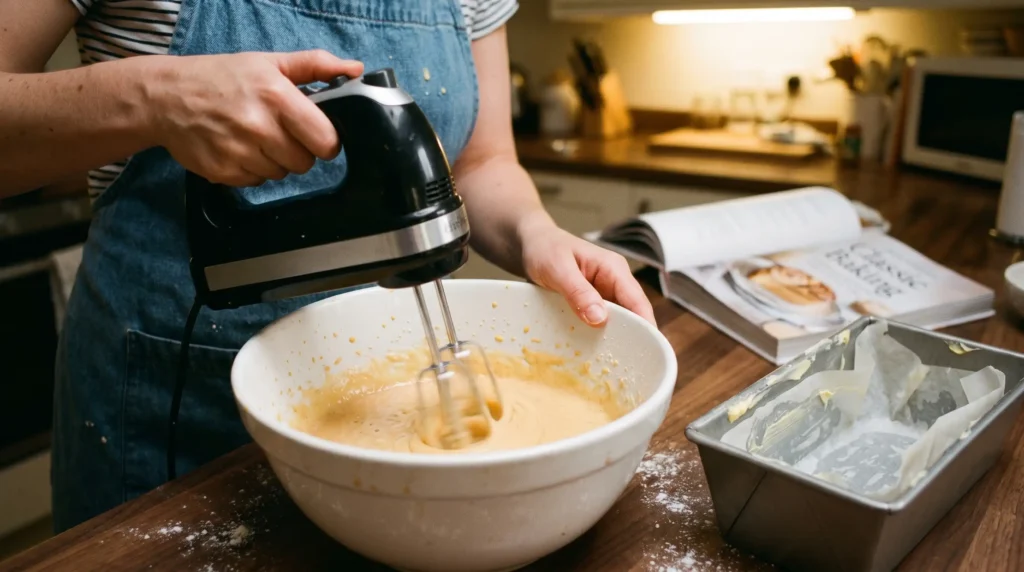
Spoon the mixture into the prepared loaf tin, level the surface, and place it in the center of the preheated oven for 1 hour to 1 hour 15 minutes, or around 45 to 50 minutes depending on your oven, until well-risen and golden brown and a skewer inserted comes out clean. While the loaf is still warm in the tin, mix 3 tablespoons of marmalade with a splash of boiling water in a small bowl, stir well, or heat in a microwave for 10 seconds until glossy and runny. Brush this sticky mixture evenly to spread over the hot cake so it can soak in and create a beautiful shiny finish. Leave to cool on a wire rack for at least 10 minutes before slicing into neat, even pieces, as the cake is quite fragile while still warm.
Recipe Tips / Expert Tips to Make Perfect Mary Berry Marmalade Cake
Always use a good thick cut Seville orange marmalade for the best flavor and texture. The chunks of peel add a lovely chewiness to the sponge that finely cut marmalade simply cannot match. When it comes to fat, baking spread like Stork works brilliantly in all-in-one cakes because it aerates much better than cold butter straight from the fridge, giving you a noticeably lighter loaf. Because of the sugar content in the marmalade, the cake can brown quickly, so keep a piece of foil nearby and cover the tin loosely for the last 20 minutes of baking if the top starts to darken too fast.
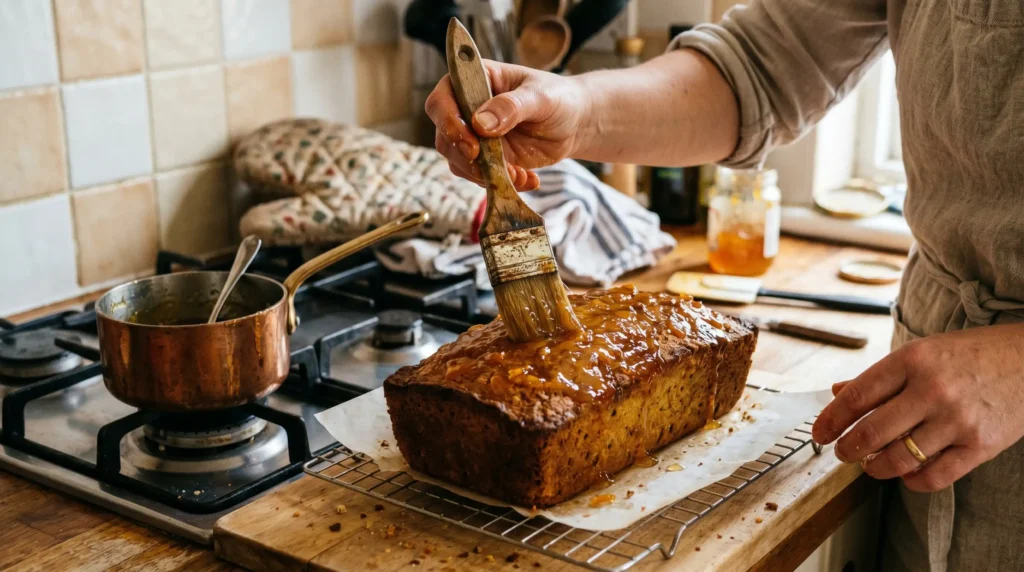
Like most sticky fruit cakes, this loaf genuinely improves with age, becoming stickier and more flavorful by the next day, so wrap it well overnight if you can wait. Always use room-temperature ingredients to achieve a smooth, even batter and warm the marmalade slightly before mixing and glazing to make it easier to work with. Try not to overmix or the loaf can turn out dense and lose that delicate crumb. Brushing the glaze on while the loaf is still slightly warm helps lock in moisture and builds that beautiful citrus aroma on top. Always allow the cake to cool fully before cutting to prevent crumbling, and remember that a well-glazed warm loaf is the secret to that signature sticky top.
What I Got Wrong (And How I Fixed It)
The first time I baked this, my loaf cracked quite deeply down the middle, which I later realised was caused by too high an oven temperature and over-rising too fast. Lowering the heat by about 10 degrees made a real difference and gave the loaf a much more even top. Another early mistake was that the cake tasted slightly bland, and it was only after adding a generous amount of fresh orange zest that the citrus flavour really came alive and lifted the whole bake.

I also struggled with a dense crumb early on, which came down to mixing the batter a little too aggressively for too long. Once I switched to mixing just until everything was combined, the texture became noticeably lighter and more tender. The other issue I faced was the top glaze sliding straight off the cake. The fix was simple: let the loaf cool for just 5 minutes before brushing on the warm marmalade so it had just enough warmth to cling without running off the sides.
Why This Recipe Is Worth Trying
This recipe genuinely delivers on every level, starting with that bright citrus flavour that hits you the moment you take a slice. The balance between sweetness and sharpness is what sets it apart from other loaf cakes, giving it a depth that keeps you coming back for more. The soft, moist texture stays tender for days, which means you are not rushing to finish it before it dries out. It is a naturally customisable bake too, as you can stir in zest, nuts, or spices for extra depth and personality.

The simple preparation using the classic all-in-one method means even less experienced bakers can achieve a reliable result every time. It works just as well for breakfast as it does for snacks or tea-time desserts, making it genuinely versatile throughout the day. The subtle freshness from the orange cuts through the richness beautifully, giving it a lightness that heavier sponge cakes often lack. Once you bake it, you will understand why it has earned such a devoted following.
What To Serve With / Pairing Ideas: What to Serve With Mary Berry Marmalade Cake
This loaf is wonderful at breakfast spread with cold salted butter, where the contrast between the salty richness and the citrus flavour of the cake is genuinely satisfying. A thick slice alongside a cup of Earl Grey tea is perhaps the most classic pairing, as the bergamot in the tea echoes the orange notes in the loaf and brings out the best in both. A spoonful of Greek yogurt on the side cuts through the sweetness beautifully, and for something a little more indulgent, serve it with warm custard to turn a simple slice into a proper pudding.

For a more dressed-up afternoon tea presentation, try serving it with lightly whipped cream for added softness, a handful of fresh berries for freshness and colour, or a small pot of orange curd to really double down on those citrus notes. If you are enjoying it as a mid-afternoon snack, a tall glass of iced coffee complements the sweetness of the glaze perfectly and adds a pleasant bitter contrast to the cake’s warm, fruity character.
Healthier Version of Mary Berry Marmalade Cake
If you want to lighten things up, try replacing half the butter with Greek yoghurt, which keeps the crumb moist while significantly reducing the fat content and giving it a slightly lighter texture overall. Swapping standard caster sugar with a blend of sugar and erythritol can lower the overall sweetness without dramatically changing the taste, and choosing a sugar-reduced marmalade for both the batter and glaze cuts down on added sugars even further.

For an added nutritional boost, try replacing a portion of the standard flour with wholemeal self-raising flour, which adds a subtle nuttiness and extra fibre to each slice. These small swaps do not require any major changes to the method and still produce a loaf that is moist, flavourful, and deeply satisfying. It is a great way to enjoy a classic bake with just a little more nutritional balance built in.
Ingredient Substitutions for Mary Berry Marmalade Cake
If you fancy a change from the classic orange version, lemon marmalade or lime marmalade both work beautifully and give the loaf a sharper, more tropical zesty twist that feels quite different from the original. Swapping butter for margarine produces a slightly softer crumb, which some people actually prefer, and it is a useful dairy-free-friendly alternative worth keeping in mind. These small changes do not disrupt the structure of the recipe and can genuinely open up new flavour directions.
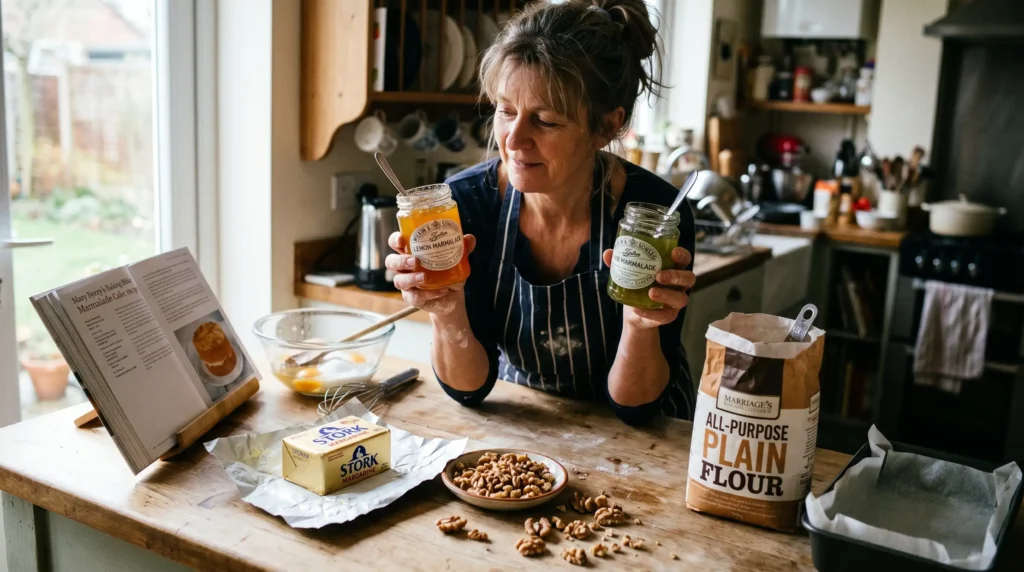
On the flour side, if you do not have self-raising flour to hand, you can easily use plain flour combined with 2 tsp baking powder as a direct swap with no noticeable difference in the finished loaf. For those who enjoy a bit of crunch in their bakes, folding in a handful of chopped nuts such as walnuts or pecans at the mixing stage adds a lovely contrast to the soft, sticky sponge and makes the cake feel a little more substantial.
Creative Ways to Customize Mary Berry Marmalade Cake
One of my favourite ways to take this loaf further is to finish it with a simple citrus drizzle made from powdered sugar and fresh orange juice instead of the standard marmalade topping, which gives it a crunchier, more dessert-like finish. Stirring a pinch of warming spices like cinnamon or ginger directly into the batter adds a deeper, cosier flavour that works particularly well in autumn and winter baking. You can also fold extra marmalade into the batter in generous spoonfuls so it creates visible ribbons of sticky citrus running through each slice.
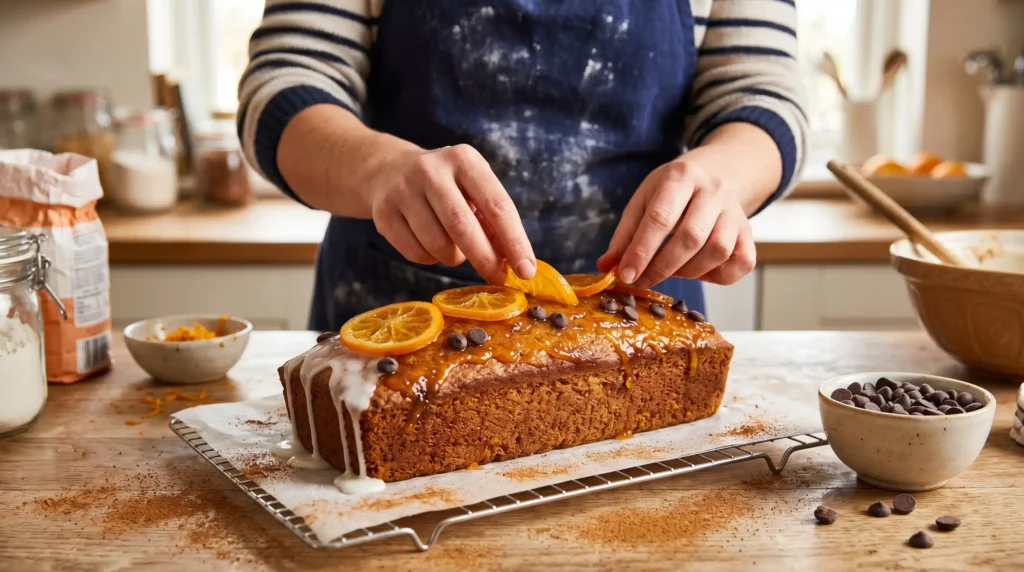
For a more show-stopping tea-time presentation, top the finished loaf with slices of candied oranges pressed gently into the warm glaze before it sets — it looks stunning on a cake stand and tastes just as good as it looks. If you are an orange and chocolate fan, pressing a small handful of chocolate chips into the surface of the batter just before baking creates pockets of melted chocolate that pair brilliantly with the citrus marmalade flavour throughout.
How to Store / Storage
Once cooled, store the loaf in an airtight container or airtight tin at room temperature and it will keep well for up to 4 days without losing its moisture or that distinctive sticky top. If you live in warm climates, it is worth moving it to the refrigerator to prevent the glaze from becoming too sticky or soft in the heat. Alternatively, wrapping the loaf in greaseproof paper and then foil keeps it fresh for up to 1 week at room temperature in a cool place away from direct sunlight.

For longer keeping, freezing is the best option. Wrap the unglazed loaf tightly in cling film and then foil and freeze for up to 3 months, adding the sticky topping only after thawing. You can also freeze individual slices individually for easy grab-and-go portions. To serve, simply defrost overnight at room temperature so the texture returns to its soft, tender best before reheating or eating cold.
How to Reheat Mary Berry Marmalade Cake
The quickest way to bring a slice back to life is to pop it in the microwave for just 7–8 seconds, which gently softens the crumb without drying it out or making the edges tough. This works especially well for slices that have been stored in the fridge, as it restores that just-baked softness almost instantly. Just be careful not to overheat, as the glaze can become too runny and the texture of the cake can change if microwaved for too long.

If you prefer a more oven-warmed result with a proper fresh-baked aroma, place your warm slices in the oven at 140°C for around 5 minutes until gently heated through. This method works particularly well if you are reheating several slices at once for guests. One thing worth noting is to avoid reheating with a heavy glaze on top under high heat, as the sugar in the marmalade can start melting and sliding off, so keep the temperature low and the timing short for the best result.
Nutrition / Nutritional Value
Each slice of this loaf contains approximately 320 kcal, with total fat of 16g, saturated fat of 4g, cholesterol at 65mg, and sodium at 210mg. The total carbohydrates come in at 42g per slice, with dietary fiber of 1g, sugar at 26g, and protein at 4g, based on 10 servings per loaf. These figures are useful as a general guide, though actual nutrition values will vary slightly depending on the exact ingredients used and portion sizes cut.

A slightly lighter version of the recipe comes in at around 295 calories per serving, with carbohydrates of 40g, fat at 13g, sugar at 27g, sodium at 150mg, and protein of 4g per slice. Whether you use the original or adjusted version, these are estimates only and can shift depending on brand choices, substitutions, and slice thickness. Figures such as 39g carbohydrates, 5g protein, and 9g saturated fat may also appear across different recipe variations, so always check your specific ingredients for the most accurate breakdown.
Mary Berry Marmalade Loaf Cake Recipe (FAQs)
Why is my marmalade cake too dense?
A dense marmalade cake usually means the batter was overmixed or the butter was not fully softened before use. Always use room-temperature butter and eggs to keep the batter light and airy, and mix only until just combined to protect that delicate crumb.
Why is my loaf not rising properly?
Check that your baking powder is still fresh, sieve the flour and baking powder together before mixing, and make sure the oven is fully preheated before placing the tin inside for a good rise.
How do I get a stronger citrus flavour?
Use a good thick-cut orange marmalade and stir in plenty of fresh orange zest directly into the batter, then finish with glazing using melted marmalade brushed over the warm cake for maximum citrus goodness.
How do I stop the top glaze from sliding off?
Brush on the warm marmalade when the loaf has cooled for just 5 minutes, as this is the sweet spot for proper adhesion without sliding. If your marmalade is very thick, warm it in a microwave or saucepan to loosen it before brushing, preventing it from sitting in a clump on the surface.
Can I add dried fruit to the cake?
Yes, you can fold in 3 oz (75g) of sultanas or dried cranberries at the mixing stage as dried fruit additions for extra texture and flavour.
Can I bake this in a round tin?
Yes, the cake bakes beautifully in an 8-inch round tin or round cake tin, with a reduced baking time of 45-50 minutes.
Can I use a different marmalade?
Yes, using lemon marmalade gives a sharper, tangier result that works just as well in this recipe.
Can I make this cake ahead of time?
Absolutely. The flavour improves greatly baking ahead by a day, making it a perfect timeless, comforting loaf for everyday baking and tea-time.
Can I freeze this cake?
Yes, you can freeze individual slices and wrap them separately for a classic, flavourful quick preparation bake whenever needed.
What is the best tin size for this recipe?
A standard 2lb loaf tin gives the best results for even baking and a reliable recipe rise every time.
Related Posts
Mary Berry Cherry and Coconut Cake Recipe
Mary berry chocolate and orange marble cake recipe