Why This Classic Recipe Still Wins
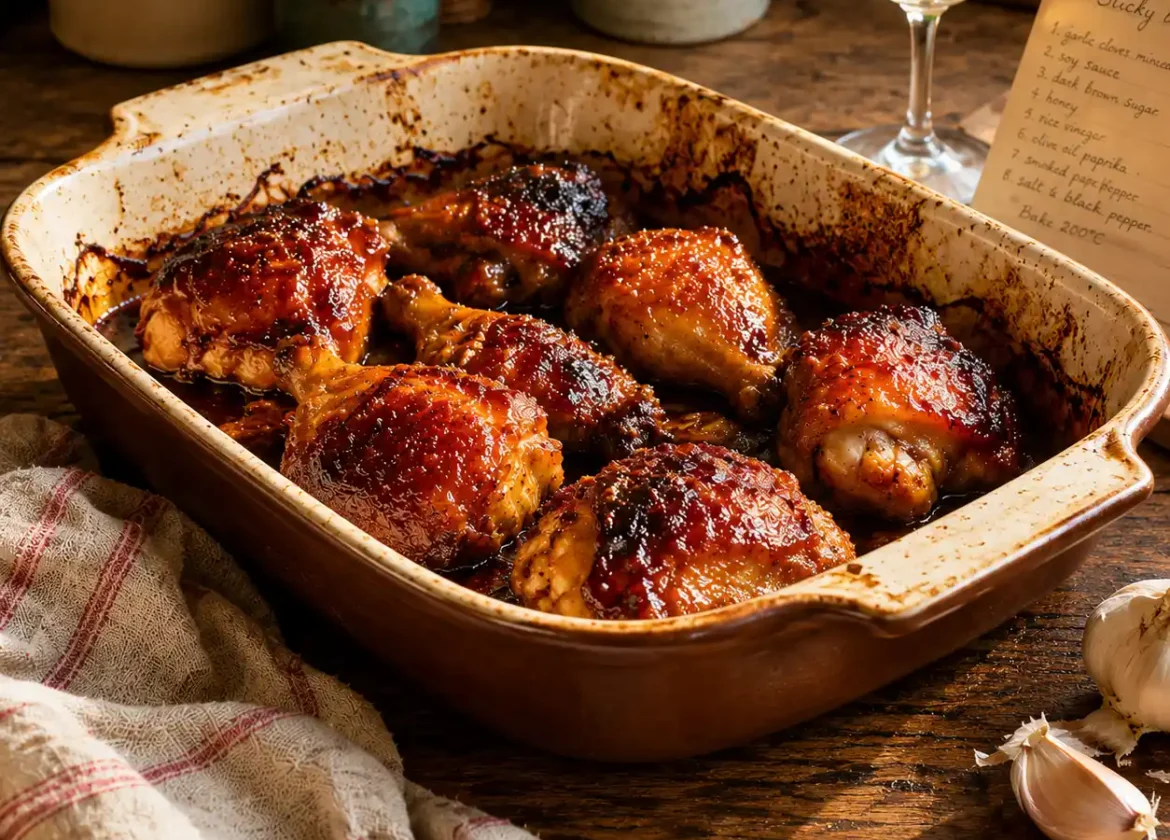
When I first made Mary Berry sticky chicken recipe, I got it immediately—why this dish has earned its status as an old family favourite passed down through generations. There’s something genuinely special about how the tender, juicy chicken marries with that rich, glossy sauce and sticky golden glaze that catches the light when you pull it from the oven. The genius is in the balance: honey brings sweetness, garlic and mustard add bite, Worcestershire sauce provides depth, and ketchup ties everything together with a gentle tang and just enough spice to keep things interesting. You end up with a dish that’s full of flavour, delicious, and unmistakably that homely British style roast chicken vibe everyone remembers from childhood Sunday dinners.
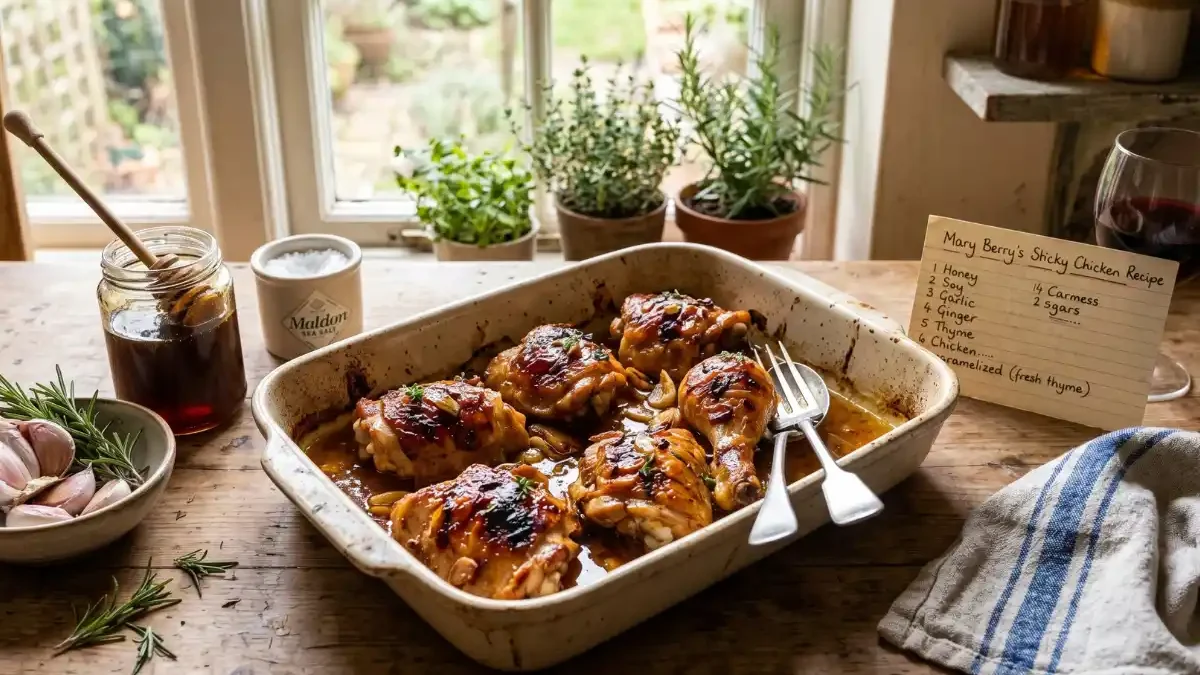
What really hooks me, though, is how easy, quick, and simple it actually is to pull off. You’re working with everyday cupboard ingredients—nothing exotic, nothing that requires a trip to specialist shops—yet the results look and taste like you’ve spent hours fussing over it. It’s perfect for weeknight dinners when you need something substantial but don’t have mental energy to spare, works brilliantly for relaxed weekend cooking, and handles everything from basic chicken leg dishes to a proper showstopping roast chicken dinner with barely any effort.Mary Berry Sticky Chicken Recipe The whole approach takes minimal effort, stays easy to follow, and is honestly hard to mess up, which means even on your most exhausted days, you’ll deliver something that genuinely tastes like proper comforting food.
Ingredients
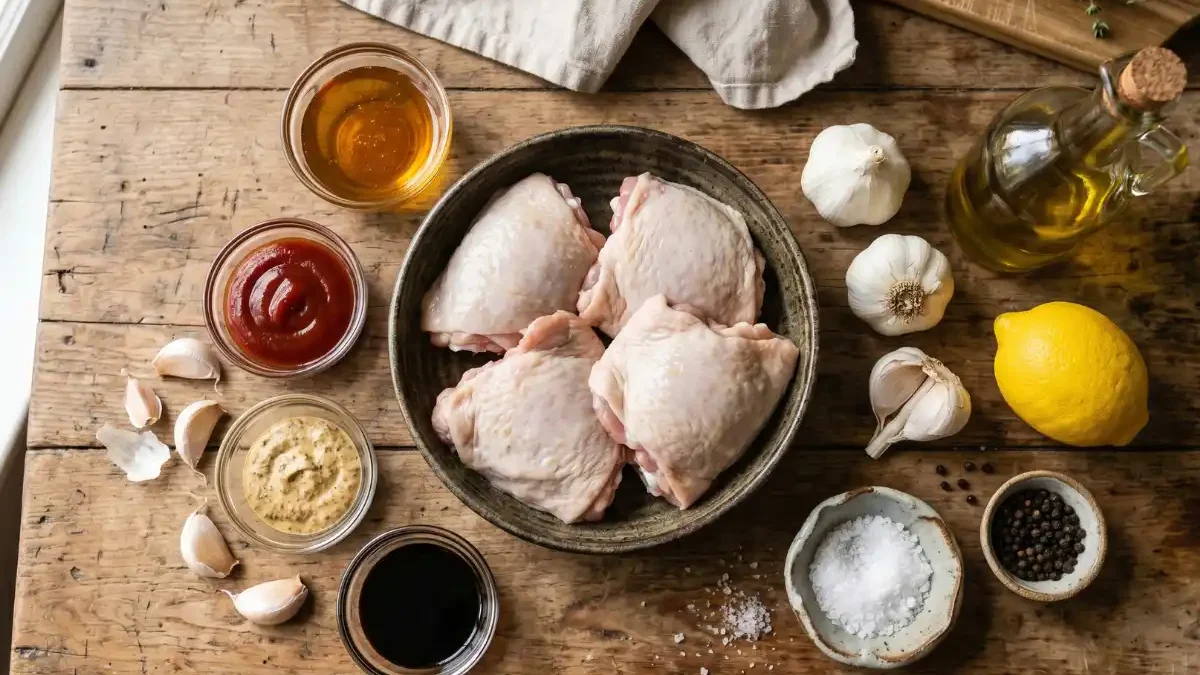
| Category | Ingredients / Details | Notes |
| Chicken | 8 chicken thighs or chicken legs | A mix of drumsticks and thigh pieces is ideal |
| Best Choice | Skin-on, bone-in chicken | Delivers the best flavour and moisture |
| Base Ingredients | Olive oil, salt, freshly ground black pepper | Essential seasoning for the recipe |
| Sweet Ingredients | Runny honey, brown sugar | Add sweetness and help create the sticky glaze |
| Tomato Ingredients | Tomato ketchup, tomato purée | Provide body and richness to the sauce |
| Savoury Ingredient | Worcestershire sauce | Lea & Perrins is recommended for the best flavour |
| Mustard Options | Grainy mustard or Dijon mustard | Choose according to personal preference |
| Garlic | Proper crushed garlic or 1–2 garlic cloves, finely chopped | Adds depth and a strong savoury flavour |
| Spice | Paprika or smoked paprika | Smoked paprika gives a different flavour profile |
| Optional Additions | Soy sauce, tamari, lemon juice | Use to customise the flavour |
| Marinade | Whisk all ingredients into a smooth mixture | Creates a sweet, savoury sauce with gentle tang and subtle spice |
| Sauce Texture | Rich, glossy sauce with a sticky finish | Thickens beautifully during cooking |
| Chicken Quality | Local butcher or free-range supermarket chicken | Better-quality chicken gives the best results |
| Pro Tip | Add soy sauce, tamari, or lemon juice gradually | Start with a small amount and taste before adding more |
Ingredients Substitutions & Variations
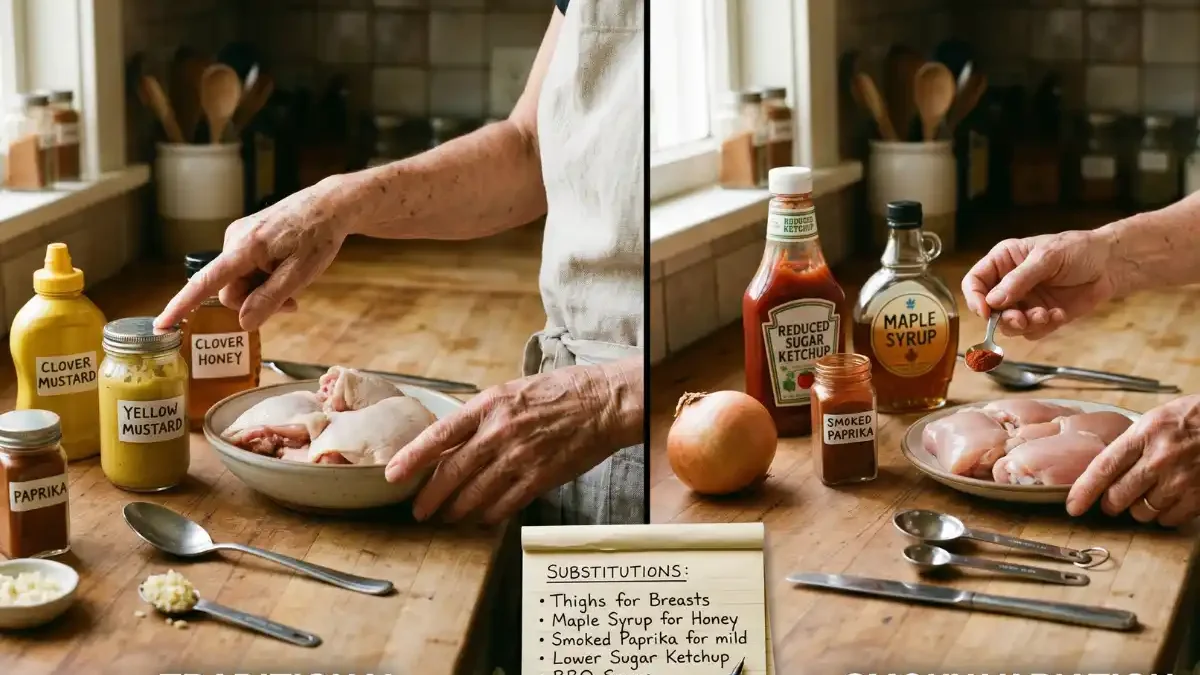
- If you only have boneless thighs or chicken breasts, use them instead of bone-in pieces and reduce the cooking time to around 20–25 minutes to prevent the meat from drying out.
- Choose wholegrain mustard if you want extra texture and a slightly earthy flavour.
- Use Dijon mustard if you prefer a smoother sauce with a deeper flavour profile.
- If your clear honey has crystallised, place the jar in warm water until it becomes runny, then mix it into the marinade.
- Swap regular ketchup for reduced sugar ketchup if that’s what you have or prefer, as it makes very little difference to the final result.
- For a sweeter flavour and an even stickier glaze, simply add a little more honey.
- If you want a touch less rich and more acidic flavour, replace some of the Worcestershire sauce with soy sauce or tamari.
- Add extra garlic paste if you prefer a stronger garlic flavour in the marinade.
- Replace regular paprika with smoked paprika to give the recipe a completely different character and a subtle smoky taste.
- Increase the amount of black pepper or add a little extra spice if you’d like a more noticeable flavour change without overpowering the dish.
- Adjust the ingredients based on your taste and what you have available, treating the recipe as a flexible guide rather than a set of rigid rules.
How to Make Mary Berry Sticky Chicken Recipe
Start by getting your oven ready—set it to 220C (or 200°C fan if you’ve got one, Gas 7) and let it preheat properly while you get everything else sorted. I always line my roasting tin with non-stick baking paper because it saves an absolute world of grief with cleanup later, and honestly, saves you scrubbing at stubborn stuck bits. In a large mixing bowl, whisk together your sticky marinade: the ketchup, purée, Worcestershire sauce, mustard, honey, and that crushed garlic until it becomes a smooth, thick, sticky mixture that’s rich but just slightly pourable—you want it to coat the back of a spoon and stick there for a second. Pat your chicken pieces completely dry (this actually matters more than people realise), then grab a sharp knife and make four deep slits in the thickest parts of each piece—this helps the flavours properly sink in rather than just sitting on the surface.
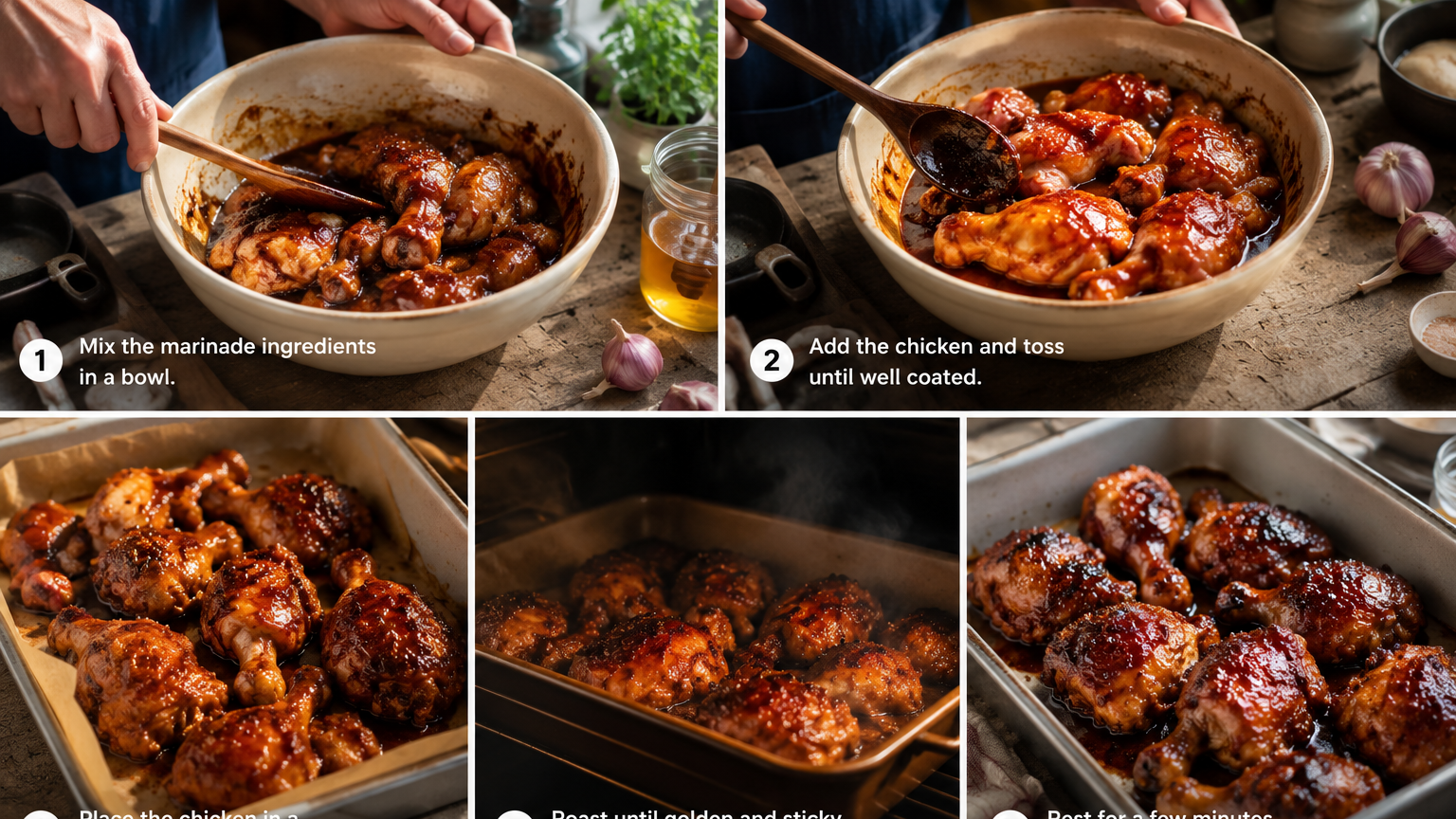
Toss your chicken through the marinade until every piece is fully coated, then cover and pop it in the fridge while you make a cuppa or do something else for a bit—even 20 minutes makes a genuine difference, though if you’ve got few hours or even overnight, the flavours develop beautifully. When you’re ready to roast, arrange your chicken in a single layer on your prepared tin (and honestly, don’t overcrowd it or you’ll end up steaming rather than crisping the skin), drizzle olive oil over everything, and season with a final pinch of salt and pepper. Into the oven for 35–40 minutes until the skin is golden-brown and sticky, but here’s the key: spoon that gorgeous glaze over halfway through cooking so it really sticks and caramelises. When you insert knife into the thickest bit, the juices run clear with absolutely no trace of pink. Rest it for 5 minutes before serving, and you’ll have moist, tender chicken with a stunning glossy coating and lightly charred edges that smell absolutely incredible.
Tips
Getting that extra sticky sauce is all about the final push in the oven—spoon more of it over those last few minutes when the heat really concentrates it into a proper glossy finish, but keep an eye on it so it doesn’t burn on the edges. If you’re cooking boneless chicken or boneless thighs, you’ll genuinely need to reduce cooking time significantly (think 20-25 minutes maximum) to avoid drying out—and I’d honestly suggest grabbing a meat thermometer to hit that internal temperature 75°C rather than guessing and hoping, because it takes all the anxiety out of the process. Want something less sweet? Simply reduce honey and add more lemon juice or mustard to balance things out, and if your crystallised honey won’t budge, warming it in warm water gets it runny again in seconds.
Don’t overcrowd your tin because you genuinely need proper caramelisation and crispier skin, not steamed chicken—if you’re feeding a crowd, it’s honestly worth doing two batches. When you’re plating up, make absolutely sure to scrape all those sticky bits stuck to the bottom of tin because that’s quite literally where all the flavour lives, and it keeps your moist meat from drying out when you eventually reheat it. Honestly, the biggest mistake I see people make is getting precious about exact timing—this dish is practically hard to mess up, and even if your chicken cooks a bit longer than ideal, that glossy sauce keeps absolutely everything so incredibly moist and forgiving.
Reasons To Love This Mary Berry Sticky Honey Garlic Chicken
This is genuinely dead simple cooking at its best—you’re using everyday ingredients that are pure cupboard staples, nothing fancy or difficult to find. The sweet sticky glaze is exactly the kind of thing that gets kids on board (even the notoriously fussy eaters) while still looking impressive enough to serve actual guests, arriving at the table golden, glossy, and slightly charred like you’ve really put effort in—total showstopper energy without the fuss. Because everything goes in one tin, there’s barely any washing up beyond rinsing your baking paper, and the whole thing requires such minimal effort that it’s become a reliable regular rotation in my house for nights when cooking feels like too much but you still want something genuinely good.
This is proper comforting food that actually tastes like it wandered straight out of someone’s old family favourite recipe box, not a restaurant kitchen, and that homely British style roast chicken dinner feeling is exactly what makes it so special and memorable. There’s something genuinely brilliant about a dish that feels easy to follow, quick to execute, and simple enough that you’re barely thinking while you’re actually cooking it, yet the results look and taste properly delicious and considered—that’s the real win and why people keep coming back to it.
Perfect For
This absolutely works beautifully for midweek dinners when you want something substantial but not stressful, and it’s equally brilliant for relaxed weekend cooking where you can stretch out and actually enjoy the process without rushing. If you’re feeding a crowd, just double the recipe and use two tins—it scales effortlessly—and it’s genuinely fantastic for meal prep because it reheats so brilliantly that you’ve got lunches sorted for the week ahead without any bother. It’s become my go-to for fussy kids and little ones who need something that tastes genuinely good but feels approachable and familiar, and honestly, I’ve even served it cold at picnics and packed lunches with a big salad and crusty bread on the side, or bundled it up for casual weekend suppers and bank holiday gatherings where you want everyone fed and happy.
The fact that it works just as brilliantly as an oven version means it’s my reliable backup plan when the weather decides to be difficult and a proper barbecue isn’t happening, and it genuinely never gets boring in the rotation—you can make it weekly and everyone’s still excited about it.
Serving Suggestions
I almost always plate this alongside fluffy white rice or egg fried rice because you genuinely want something to soak up every last drop of that stunning sauce, though buttery mashed potatoes or regular fluffy rice work equally brilliantly depending on your mood and what you’ve got. A sharp crisp green salad with a simple vinaigrette cuts through the richness in the best possible way, and roasted vegetables—anything from roasted new potatoes tossed in olive oil and rosemary to steamed tenderstem broccoli or green beans—add proper nutrition and colour to balance the plate. Some nights I’ll do oven chips with sweetcorn and warm crusty bread for dunking because honestly, life’s too short for boring sides, and a cucumber salad or steamed greens work beautifully when you want something lighter and fresher alongside the richness.
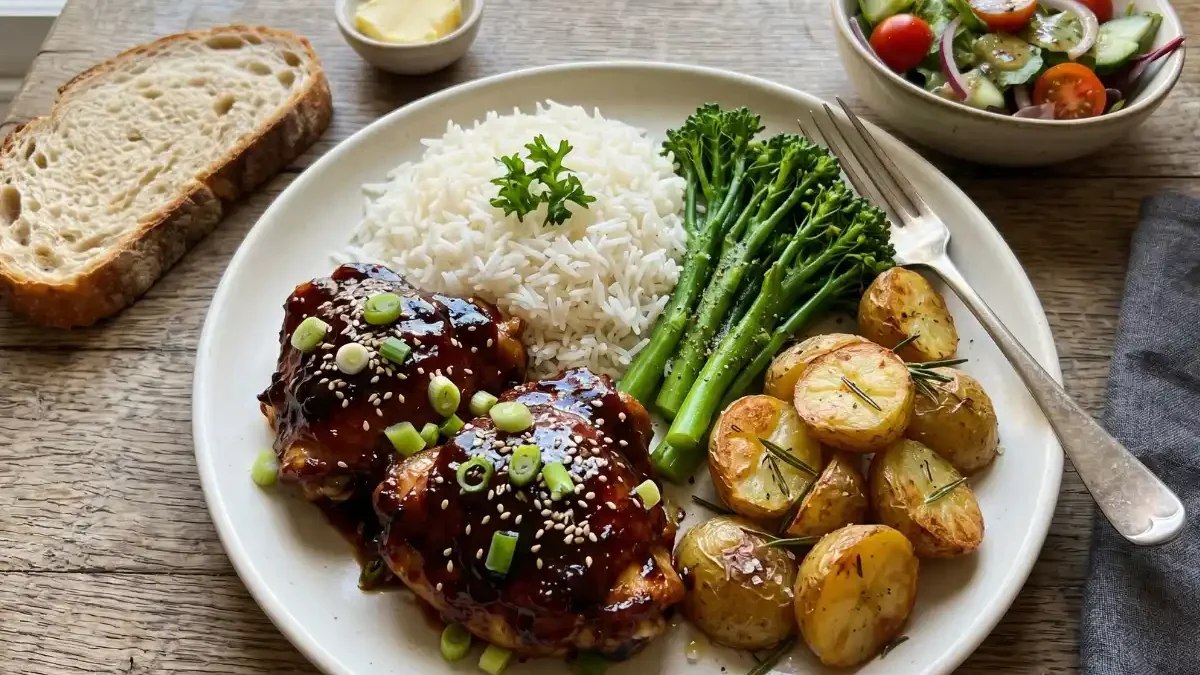
The sticky sauce that pools on your plate is genuinely half the appeal of this entire dish, so whatever you serve it with should be something that’s genuinely happy to sit in that glossy, savoury-sweet coating—choose sides that’ll soak it up or complement it rather than compete with it.
Storage
Once everyone’s finished eating and you’ve scraped those precious sticky bits from the pan, cool slightly before moving everything to an airtight container—don’t leave it sitting at room temperature longer than within 2 hours of cooking, especially if it’s still warm. Pop it in the fridge and it’ll keep beautifully for 2 to 3 days, though honestly I’ve stretched it to up to 3 days without any issues if you’re confident about your fridge temperature. If you want to keep it longer, freezing is genuinely your friend—wrap well in an airtight or sealed container and it’ll last comfortably up to 2 months (some people push it to up to 3 months, but I prefer playing it safe and knowing it’s in its prime).
When you’re ready to eat your leftover chicken, defrost overnight in the fridge if it’s frozen, then reheat thoroughly until it’s piping hot before serving—and here’s the important bit: make sure you warm up the tray sauce too because that’s what keeps absolutely everything moist and stops it becoming disappointing and dried out. The sauce is basically the insurance policy that makes reheated chicken taste almost as good as fresh.
Reheat
The absolute best method is sliding everything into an ovenproof dish, loosely cover it with foil to trap steam, and warming it through at 180°C until it’s hot through—usually 15-20 minutes depending on how much you’re reheating. If you want that sticky outside to re-glaze slightly, remove foil for the final few minutes, though honestly it won’t have quite the same caramelised edges as the original fresh batch—but it’ll still taste brilliant. The microwave works in an absolute pinch, but it does tend to soften skin rather than keep it crisp, so I use short bursts and check often to avoid drying out the meat completely—patience pays off here.
Nutrition
Per serving, you’re looking at roughly Calories 420 kcal, with Carbohydrates 22g, Protein 28g, Fat 24g, and Saturated Fat 6g, plus Sodium 780mg—and these are rough estimates based on the standard ingredients used, so if you’ve made substitutions they’ll naturally shift slightly. It’s a reasonably balanced meal that gives you solid protein from the chicken, some carbs from the sauce components, and definitely a bit of indulgence with the honey and oil, which is exactly what you want from proper comforting food.
FAQs
Can You Use Chicken Breasts?
Yes, absolutely. However, whole chicken legs or bone-in, skin-on pieces are usually the better choice because they stay juicier and are more forgiving during cooking. Boneless thighs also work well but need careful timing to avoid drying out.
How Long Should You Marinate the Chicken?
If you’re short on time, 20–30 minutes will work well. For a deeper flavour, marinate for a few hours or even overnight in the fridge, keeping the chicken covered. Avoid marinating for more than 24 hours, as the acid can start to break down the meat’s texture.
How Do You Get the Sweet Balance Right?
Taste the marinade as you go and adjust it to your preference. If it’s too sweet, add a little more mustard or Worcestershire sauce for extra sharpness. If it’s too savoury, a small drizzle of extra honey will bring the flavours back into balance.
How Do You Know When the Chicken Is Fully Cooked?
Insert a knife into the thickest part of the chicken and make sure the juices run completely clear with no pink remaining. For the most accurate result, use a food thermometer and check that the internal temperature has reached 75°C.
How Can You Make It Spicier?
For extra heat, stir chilli flakes or hot sauce into the marinade. You can also replace the Worcestershire sauce with tamari, soy sauce, or a reduced-salt soy alternative to create a different flavour profile.
Recipe Tips
This is genuinely brilliant served cold at a picnic, buffet, or lunch, torn into a wrap or tossed through a salad if you’ve got leftovers—the leftover chicken with extra sticky sauce spooned over becomes a completely different meal that’s absolutely brilliant for lunches throughout the week. The trick to keeping that glossy glaze and caramelisation intact when you’re reheating is keeping it covered so it doesn’t dry out while still getting hot enough for that crisp skin and moist texture to come back to life—it’s a balancing act but worth getting right.
Try More Recipe
Mary Berry Chicken Korma Recipe
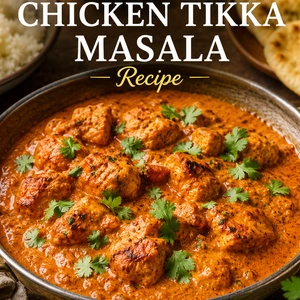
Mary berry chicken tikka masala recipe
Mary Berry Chicken Tagine Recipe
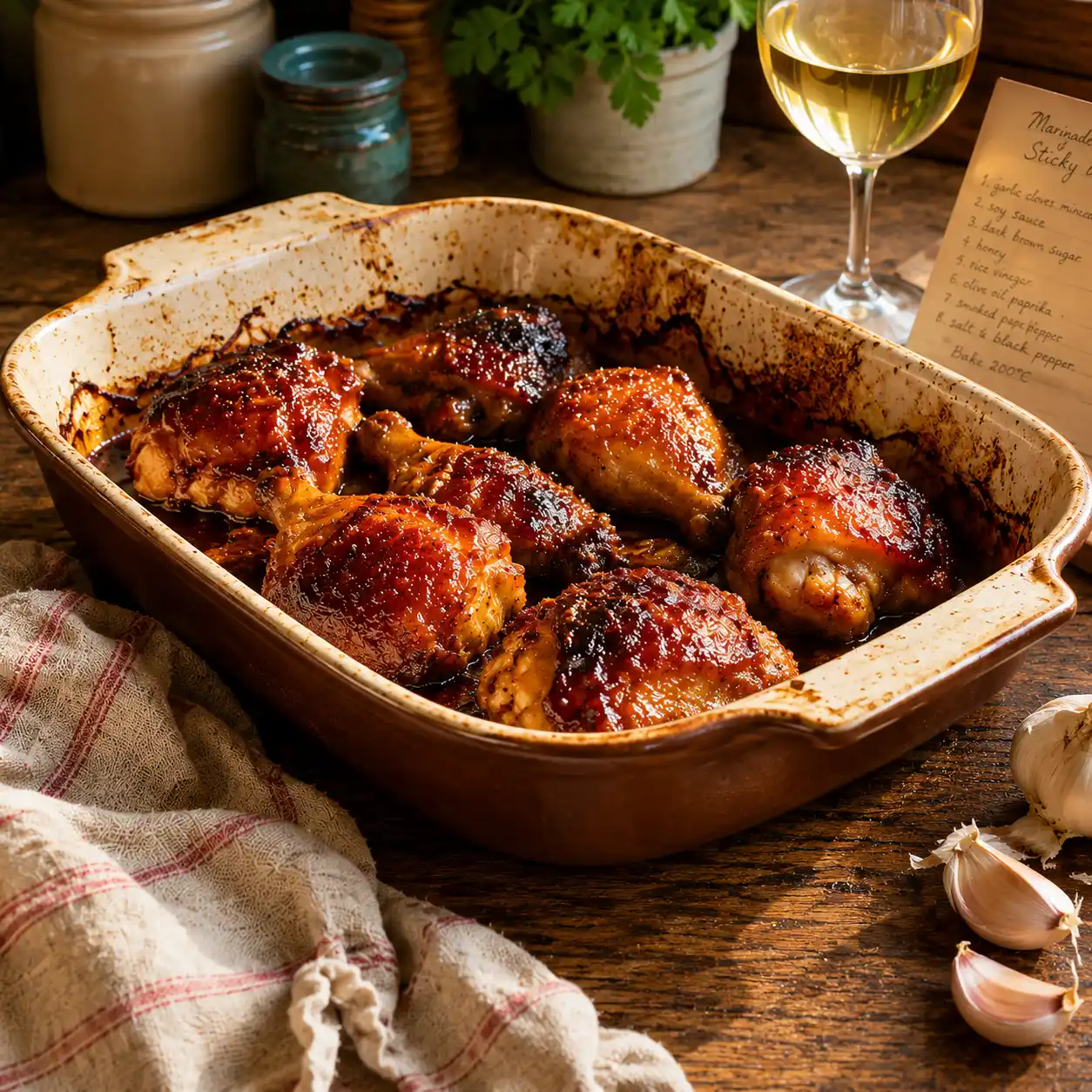

Mary Berry Sticky Chicken Recipe
Ingredients
Equipment
Method
- Preheat the oven to 220°C (200°C fan).
- Line a roasting tin with baking paper.
- In a large bowl, whisk together the honey, tomato ketchup, tomato purée, Worcestershire sauce, Dijon mustard, crushed garlic, paprika, and brown sugar.
- Pat the chicken dry and cut 3–4 deep slits into each piece.
- Coat the chicken thoroughly in the marinade.
- Cover and marinate for at least 20 minutes or up to overnight in the refrigerator.
- Arrange the chicken in a single layer in the prepared roasting tin.
- Drizzle with olive oil and season with salt and black pepper.
- Roast for 35–40 minutes, basting with the sticky glaze halfway through cooking.
- Cook until the chicken is golden, sticky, and reaches an internal temperature of 75°C.
- Rest for 5 minutes before serving.
- Spoon any remaining glaze from the roasting tin over the chicken before serving.